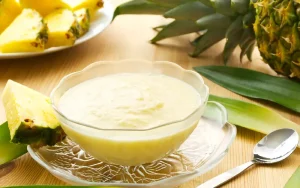
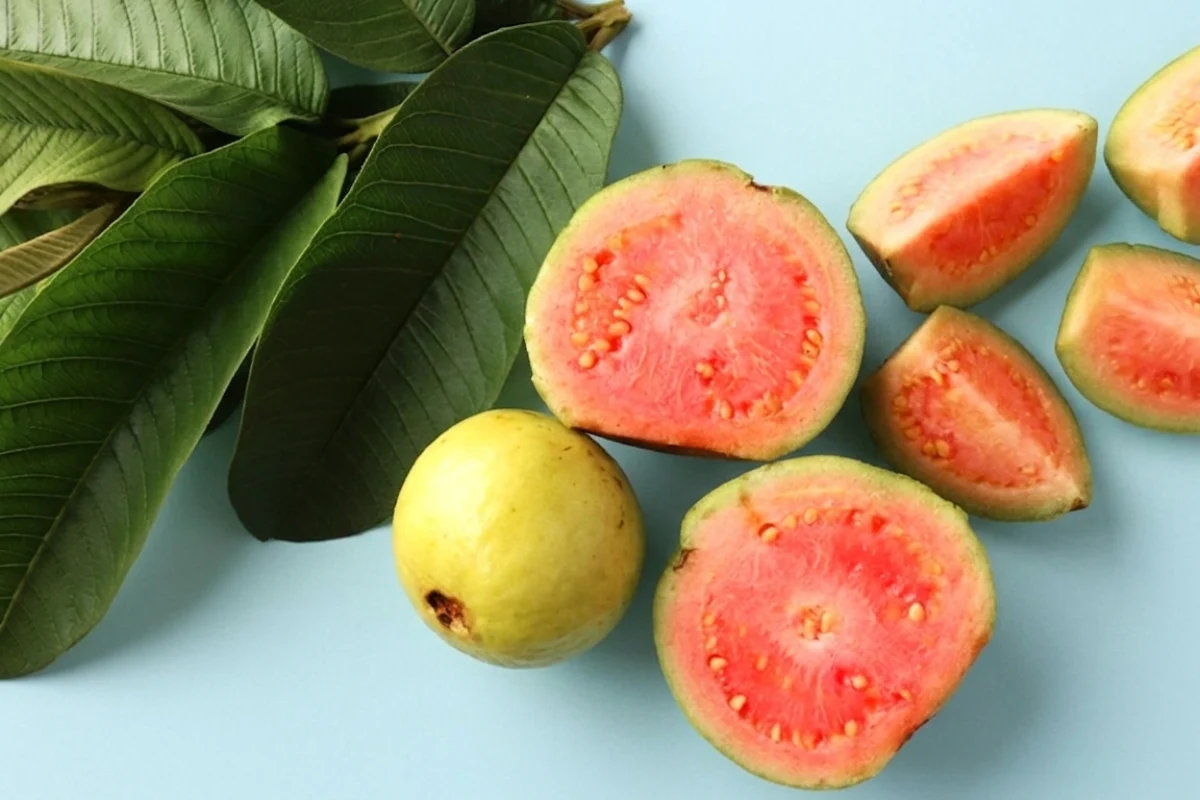

Food manufacturing efficiency begins with one essential question: what is guava puree, and how can it impact a formulation? Understanding this ingredient helps evaluate texture, origin, refining level, and behavior within an industrial production line. Technically, it comes from ripe, healthy guava fruit that processors crush, refine, and carefully sieve.
Its purpose is to preserve natural flavor, color, and texture while removing seeds, peel, and flow-disrupting particles. For industrial buyers, choosing certified simple guava puree does not only represent a flavor decision. It also impacts formula stability, filling performance, and consistency across every production batch.
If you lead purchasing, procurement, or R&D, these technical nuances help you compare suppliers with greater precision. At Dream Foods, we develop guava puree as an industrial solution made with real fruit. Additionally, we design it for applications requiring traceability, reliable performance, and consistent quality in every batch.
What is guava puree and why it matters in the industry
To answer what is guava puree, it helps to view it as an industrial processed fruit ingredient. Manufacturers obtain it from ripe, healthy guava that they crush, refine, and sieve under controlled technical parameters. Unlike a homemade preparation, this ingredient must support efficient use in large-scale production.
Its value combines three main benefits: authentic tropical flavor, uniform texture, and easy incorporation into industrial formulations. Therefore, manufacturers use it in beverages, ice cream, dairy, fillings, sauces, smoothies, and functional products. In an industrial plant, puree consistency never works as a minor or secondary detail.
Strong variations in Brix, acidity, pH, or granulometry can affect a recipe’s final performance. Therefore, knowing what is guava puree also means reviewing its technical specifications before procurement. That review helps reduce reprocessing, validate suppliers, and maintain more stable product quality.
What is guava puree: differences from pulp and concentrate
Although buyers often confuse these terms, their industrial applications can differ significantly from one another. Guava puree involves a refining process that seeks a homogeneous, fluid, and more stable texture. This matters for automated systems, uniform beverages, and products requiring a smooth mouthfeel.
When a buyer asks what is guava puree, the answer should not stop at “processed fruit.” Instead, the key lies in its refinement, uniform texture, and ability to integrate without disrupting formulas. Consequently, that difference can directly influence stability, sensory perception, and in-plant performance.
Guava pulp, on the other hand, can have a more rustic or fibrous texture. In some cases, it keeps cells, fibers, or irregular particles that change the final product experience. Therefore, it does not always suit premium beverages, smooth dairy products, or stable-texture formulations.

Guava concentrate has gone through evaporation to remove part of the fruit’s natural water. This can reduce logistics volume, yet it can also modify the ingredient’s sensory and aromatic profile. If your brand seeks freshness and real fruit, simple puree usually offers a better fit.
What “single strength guava puree” means and when to use it
The single strength guava puree format preserves the fruit’s natural soluble solids without artificial concentration or dilution. In other words, it supports formulations that prioritize authenticity, natural flavor, and a clean-label profile. Moreover, this format helps maintain an experience closer to guava’s original character.
Manufacturers often use it in NFC juices, smoothies, ice creams, sorbets, yogurts, functional drinks, and tropical preparations. It also works in products where consumers expect recognizable flavor and a real fruit texture. For that reason, many brands consider it a reliable base for higher-value product lines.
It also becomes a strong choice when your label promises naturalness, tropical origin, or recognizable ingredients. By working with simple puree, the formulation can better rely on the fruit’s own profile. Additionally, this approach reduces dependence on added flavors, colors, or texturizers during product development.
What is guava puree from its technical specifications
An expert buyer knows that price per kilogram should never drive the evaluation alone. True profitability depends on technical consistency, in-plant performance, and the ability to reduce reprocessing. Before issuing a purchase order, teams should validate technical sheets, traceability, certifications, and physicochemical parameters.
°Brix, pH, and acidity: why they matter
Brix degrees indicate the level of soluble solids present and serve as a maturity reference. They also help estimate natural sweetness, formulation yield, and possible consistency between production batches. For an authentic puree, a range between 8.0 and 11.0 °Brix works well.
Excessively low values can suggest immature fruit, raw material variations, or possible adjustments with water. These deviations can affect yield, flavor, and stability within the final formula. Therefore, teams should review Brix together with other technical parameters of the product.
The pH, usually between 3.5 and 4.2, also influences microbiological stability and preservation. Acidity defines part of the sensory profile and helps balance sweetness, freshness, and flavor. Both parameters matter in beverages, dairy products, desserts, and functional formulations.
Microbiological specifications, traceability, and ingredients
Food safety remains non-negotiable, especially when the ingredient enters large-scale industrial processes. Therefore, guava puree must meet clear microbiological criteria and rely on trustworthy process controls. It must also include documentation that supports audits, approvals, and quality reviews.
When evaluating a supplier, check for relevant pathogen absence, controlled counts, and lot-level traceability. Also validate updated technical documentation, food safety certifications, and response capacity during audits. These factors help protect your operation and your brand’s reputation.
Current demand favors clean-label products with recognizable ingredients and a lower additive load. Simple guava puree, made with fruit, can add transparency to product development. This value matters for consumers who read labels and seek options with stronger perceived value.
Frozen guava puree vs. aseptic guava puree
Choosing between frozen puree and aseptic puree does not only involve preservation. It also affects logistics costs, storage, shelf life, operational handling, and cash flow. Therefore, teams should evaluate this choice according to infrastructure, volume, rotation, and production needs.
Frozen puree works well when developers seek sensory notes very close to fresh fruit. It can suit ice cream shops, restaurants, industrial kitchens, or developments prioritizing organoleptic experience. However, it requires cold chain management and careful inventory control.
Aseptic puree undergoes processing and packaging under conditions that enable greater stability and logistics efficiency. For industrial plants, it can free freezer space and simplify purchase planning. It also supports larger-volume handling without relying entirely on refrigerated storage.
Most common presentations
The right presentation reduces handling, improves loading efficiency, and supports easier dosing inside the plant. Therefore, the packaging choice should respond to the operation type and production volume. Each format offers different advantages depending on use frequency, installed capacity, and production scale.
For R&D trials or foodservice, small bags can offer a practical and flexible alternative. Regarding medium-scale production, Bag-in-Box supports efficient handling and stronger inventory organization. For large manufacturers, drums help optimize cost per kilogram and container logistics.
Uses of guava puree by industry
Guava puree’s versatility turns it into a strategic ingredient for industrial brands. Its profile helps differentiate products through tropical flavor, attractive color, and a natural texture. It works well in categories where fruit adds visual identity, body, and formulation value.
When a company asks what to do with guava puree, the answer depends on its category, process, and commercial proposal. This ingredient can enter beverages, ice creams, yogurts, desserts, fillings, functional blends, and tropical developments. Its stability and sensory profile support applications requiring real fruit with industrial performance.
Beverages, smoothies, and cocktails
In beverages, guava puree adds body, natural turbidity, and a denser texture. This can reduce the need for artificial texturizers in certain high-value formulations. It also works as a useful base for nectars, smoothies, flavored waters, functional drinks, and tropical blends.
Its pink color helps create products with stronger visual appeal on the shelf. This proves especially useful in lines seeking a fresh, exotic, or premium identity. It can also support developments where appearance communicates real fruit from the first interaction.
Ice cream and desserts
In ice cream, guava puree adds flavor, color, and a distinctive tropical texture. Its natural composition can encourage a creamier sensation in sorbets, popsicles, and ice creams. It also enables desserts with a less traditional profile and stronger fruit character.
In industrial pastry, manufacturers can use it in fillings, mousses, glazes, toppings, sauces, and stable preparations. Its flavor helps expand portfolios beyond traditional fruits such as strawberry or red berries. Additionally, it brings a tropical identity that can differentiate seasonal lines or permanent products.
Industrial applications and functional beverages
Guava has earned recognition for its nutritional profile and its connection with high-value tropical products. Therefore, guava puree can enter functional beverages, gummies, yogurts, and dairy blends. It can also support wellness-oriented developments when the formulation meets applicable requirements.
For brands seeking to justify a higher price, using real fruit can add coherence. That coherence connects the packaging promise with the consumer’s sensory experience. In addition, it can reduce dependence on synthetic flavors in formulations seeking greater naturalness.
How to choose guava puree for industrial purchasing
To choose correctly, teams should not only ask about availability or compare price. Instead, they should validate the fit between the puree, the formulation, and the plant operation. This review helps avoid inefficient purchases or raw materials that create approval challenges.
Before buying, review Brix, pH, acidity, texture, granulometry, format, shelf life, and storage conditions. Also consider certifications, supply capacity, technical documentation, and the supplier’s export experience. These criteria help purchasing, quality, and development teams make safer decisions.
It also helps to request a sample or technical sheet before approving the product. This allows your team to evaluate flavor, color, viscosity, stability, and formula compatibility. Consequently, this initial validation can reduce later adjustments and accelerate internal ingredient approval.
Frequently asked questions about what is guava puree
Knowing what is guava puree helps differentiate it from pulp, concentrate, or flavorings. It also helps choose a suitable raw material for beverages, ice creams, dairy products, and desserts. Below, you will find direct answers to streamline your supplier approval and decision-making process.
- Is guava puree the same as guava pulp? Not exactly, although both products come from fruit and can share some applications. Puree usually has a more refined, uniform texture that suits industrial processes. Pulp can have more fiber or more irregular particles, depending on the process.
- Does guava puree contain added sugar? Simple guava puree usually comes from fruit, without added sugar in its formulation. However, buyers should always review the technical sheet and confirm ingredients with the supplier. This verification prevents confusion during approvals, audits, or label claims.
- Where to buy guava puree for industrial use? For industrial purchases, the ideal partner provides complete technical support. It should also offer technical sheets, traceability, suitable formats, and logistics guidance according to your operation. Dream Foods offers simple guava puree for industrial applications and supply needs.
Why choose Dream Foods as your strategic partner?
At Dream Foods, we offer a direct channel from our plant in Barranquilla, Colombia. Our processes focus on quality, traceability, and technical compliance for industrial buyers. This allows us to serve beverages, dairy, ice cream, pastry, smoothies, and other food categories.
By choosing us as your supplier, your company accesses tropical ingredients developed for industrial applications. Our location in Zona Franca La Cayena supports an efficient operation for international markets. Additionally, we support the process with useful technical information for purchasing, quality, and research and development.
Optimizing your supply chain with industrial guava puree can improve consistency and cost control. It can also strengthen your products’ sensory promise and reduce variation risks. That combination becomes essential when your operation needs real fruit, traceability, and reliable supply.
How can you order guava puree from us?
To receive a more accurate offer, share estimated monthly volume, required presentation, and application type. Also indicate storage conditions, delivery port or destination, and specific technical needs. With this information, our team can better guide the commercial and logistics proposal.
You can also request technical sheets, certifications, and packaging details to validate the product internally. This helps your quality team review key parameters before moving forward with approval. Therefore, this information supports faster, safer decisions that align with your operation.Now that you know what is guava puree and how it can add stability, flavor, and efficiency, the next step is choosing a reliable supplier. Dream Foods can help you select the right format for your industrial operation. Contact us to quote simple guava puree with traceability, technical support, and direct supply.
Referencias
- Business Research Insights. (2025). Guava Market Growth & Trends till 2035.
- Innova Market Insights. (2024, 17 de octubre). Top Ten Food and Beverage Trends 2025.
- Mordor Intelligence. (2026). Craft Beer Market Size, Share & Industry Report, 2031.
- The Food Tech. (2023, 29 de marzo). Así es como el envase aséptico contribuye a la conserva de alimentos.
Global Market Insights. (2025). Guava Puree Market Size, Share | Industry Analysis – 2034.