Papaya puree pairs best with mango, passion fruit, pineapple, banana, coconut, and citrus such as lemon. Those blends balance its gentle sweetness and, at the same time, hold the orange color of the final product. Therefore, each papaya puree combination gains ground across beverages, dairy, ice cream, and industrial bakery lines. Moreover, they open a simple route toward portfolio differentiation without any reliance on artificial flavorings. Below, you will find the most effective blends, their applications, and the technical criteria for choosing well.
Why papaya puree works as a formulation base
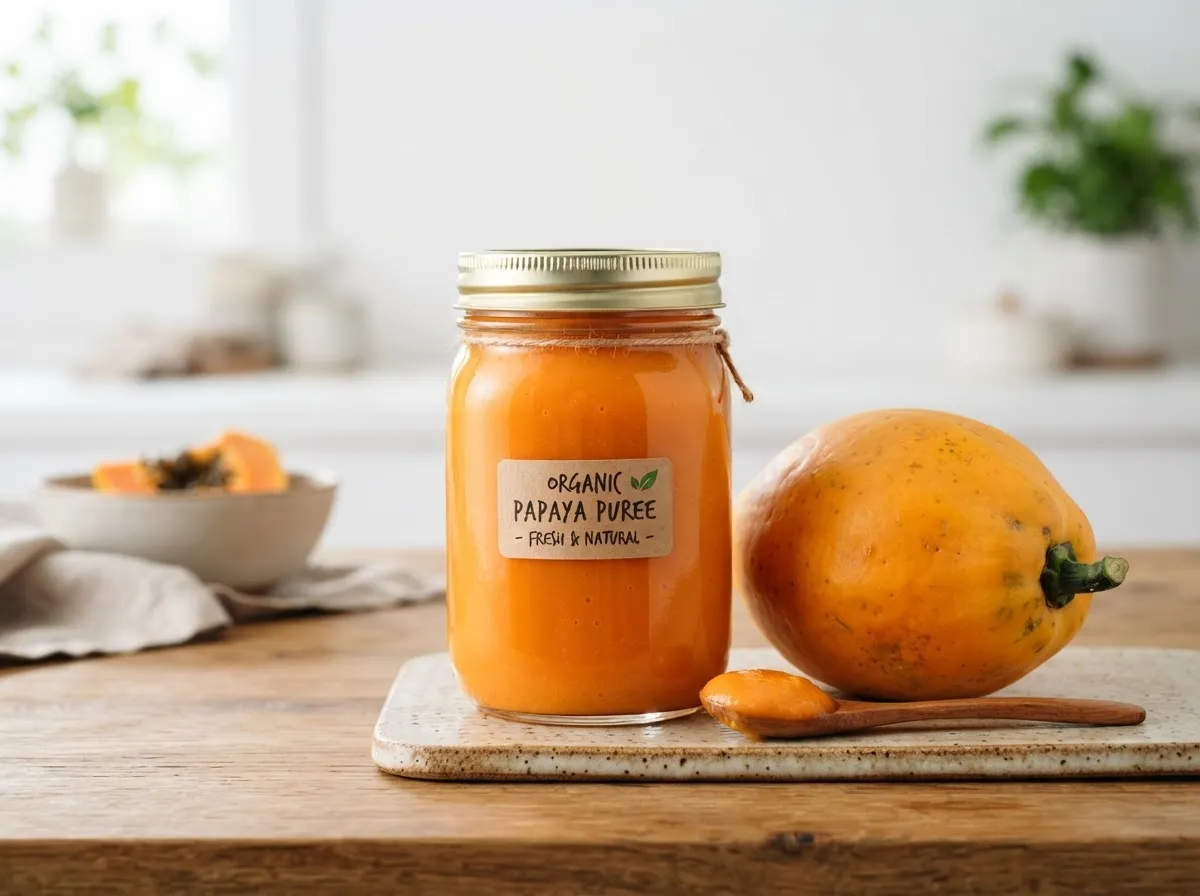
Papaya delivers something fairly uncommon among tropical fruits: moderate sweetness paired with notably low acidity. Consequently, it behaves like a canvas rather than a dominant leading character inside the formula. Its natural pH ranges from 4.00 to 4.50, while soluble solids move between 7 and 11° Brix. Those values explain precisely why the pulp welcomes acidic fruits and warm spices so easily.
At this point, however, you should translate that spec sheet into practical development language. The following attributes carry the most weight once the formula reaches the plant floor:
- Flavor profile: mild sweetness, with honeyed and floral notes that never compete with other ingredients.
- Color: a warm, even orange, useful whenever you want visual impact without added colorants.
- Texture: medium viscosity that lends body to beverages, yogurts, fillings, and finished sauces.
- Functionality: it helps cut added sugars and, in addition, rounds out overly acidic blends.
Right there sit the papaya puree benefits over other pulps: it yields, stabilizes, and softens. In other words, the fruit lets you formulate with fewer ingredients and far more real fruit.
The best papaya puree combination, fruit by fruit
Every fruit plays a different role inside the blend, depending on what your formula needs. Some contribute acidity, while others reinforce aroma or simply add extra body to the mix. Overall, the pairings below show up most often in product development work across food categories:
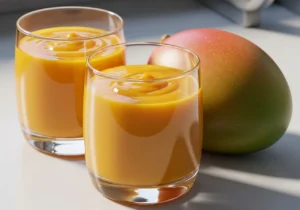
- Mango: it intensifies the tropical character and adds body; besides, it performs beautifully in nectars and smoothies.
- Passion fruit: it delivers sharp acidity and a penetrating aroma; therefore, it balances the sweetness of papaya.
- Pineapple: it brings freshness and citrus notes; consequently, it stands out in ready-to-drink beverages.
- Banana: it adds creaminess along with natural sweetness; ideal, then, for shakes and dairy bases.
- Orange: it lightens the blend and, in turn, improves the perception of freshness in juices.
- Lemon: it lifts the flavor and, just as importantly, protects color during thermal processing.
- Coconut: it contributes richness and an enveloping profile; naturally, it shines in ice cream and desserts.
- Strawberry: it adds a reddish hue and light acidity; quite attractive in yogurts and sweet sauces.
A simple logic sits behind these pairings, and it holds up remarkably well in the lab. Papaya gives up aromatic leadership and, in exchange, lends body plus color to the whole mix. For that reason, you should add a fruit with high acidity or a clearly dominant aroma. Passion fruit and lemon fill the first role; mango and coconut, meanwhile, cover the second. During early trials, a base of 60% to 70% papaya usually delivers the best starting point. Afterward, adjust the ratio according to your target pH and the sweetness perception of your category.
The table below summarizes the sensory result of each blend and its recommended uses:
| Blend | Sensory profile | Recommended applications |
|---|---|---|
| Papaya + mango | Intensely tropical, sweet and round | Nectars, smoothies, ice cream |
| Papaya + passion fruit | Sweet with marked acidity and high aroma |
Functional beverages, drinkable yogurt |
| Papaya + pineapple | Fresh, juicy and slightly acidic | Juices, flavored waters, RTD |
| Papaya + banana | Creamy, smooth and very sweet | Shakes, baby food, dairy bases |
| Papaya + orange | Lightly citrusy and refreshing | Blended juices, breakfast beverages |
| Papaya + lemon | Bright, clean, with a short finish | Sorbets, sauces, dressings |
| Papaya + coconut | Rich, sweet and enveloping | Desserts, ice cream, plant-based drinks |
| Papaya + strawberry | Sweet with soft acidity and pink color |
Yogurts, jams, pastry |
Ingredients that boost the papaya puree combination
Fruits are not the only resource available when you want to extend a papaya profile. In fact, certain aromatic ingredients widen the sensory range without raising the cost of the formula. The following ones respond best during plant trials, especially across beverage and dairy lines:
- Ginger: it brings a warm bite that functional shots and flavored waters value highly.
- Mint: it refreshes the blend and, in addition, lengthens the finish on the palate.
- Vanilla: it rounds out sweetness and softens any green note left behind by the fruit.
- Cinnamon: it adds warmth; therefore, it proves genuinely useful in bakery goods and compotes.
- Honey: it intensifies natural sweetness under a clean-label approach that shoppers already trust.
- Yogurt: it acidifies the base and, at the same time, adds creaminess to dairy drinks.
- Coconut milk: it enables plant-based versions with real body and a satisfying mouthfeel.
Industrial applications of the papaya puree combination
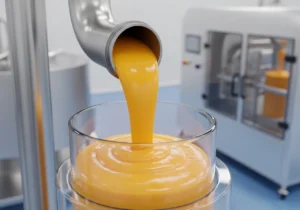
Single strength puree arrives ready to dose, so it integrates without complex line adjustments. Therefore, it fits into very different production lines inside one single manufacturing plant:

- Beverages and smoothies: papaya adds natural body and, moreover, reduces the need for stabilizers.
- Nectars and juices: it blends well with acidic pulps and holds color on the shelf.
- Yogurts: it works as a base or as a fruit sauce, with reliably good dispersion.
- Ice cream and popsicles: it delivers creaminess together with a clean, uncomplicated sweetness.
- Pastry and bakery: it hydrates doughs, fillings, and coatings without altering the flavor balance.
- Desserts and sauces: it allows sweet-and-sour profiles, even for savory culinary applications.
One practical detail deserves your attention before the first industrial batch leaves the line. Papaya tolerates thermal treatment well, yet an acidity adjustment protects its color much better. For that reason, many formulas include lemon or passion fruit from the very first trial. In this way, the formula preserves that signature orange without any added colorants at all.
Trends that drive the papaya puree combination
Interest in tropical flavors stopped behaving like a seasonal trend quite a few years ago. Retail data confirms this shift with remarkable clarity across several mature consumer markets. During 2024, papaya demand grew close to 160% in the United Kingdom alone. That advance happened inside a tropical segment that climbed almost 30% (Fresh Fruit Portal, 2025). Although the figure comes from Britain, the signal applies equally to the United States market.
Likewise, four currents reinforce that movement across categories:
- Tropical flavors: shoppers already recognize papaya and connect it directly with freshness.
- Natural ingredients: short labels reward real fruit over any laboratory-built flavoring.
- Functional beverages: mild bases never mask proteins, fibers, or other added actives.
- Ready-to-drink formats: they demand stable color and flavor throughout the entire shelf life.
How to choose a papaya puree for new developments
Not every puree behaves the same way once production runs at full industrial speed. Therefore, evaluate five points carefully before you scale any formula toward commercial volume:
- Consistent quality: verify that Brix, pH, and acidity repeat batch after batch.
- Uniform color and flavor: request samples from different production runs and compare them side by side.
- Traceability: demand clear lot identification along with the origin of the raw material.
- Food safety: review certifications and internationally recognized food safety schemes before signing.
- Year-round availability: confirm that your supplier sustains volume outside the peak harvest window.
These criteria reduce reprocessing and, just as importantly, protect the cost of your development. Besides, they prevent unpleasant surprises once the product reaches continuous industrial production.
Papaya puree combination with a specialized supplier
Here is where the supplier truly makes the difference for your entire development timeline. Dream Foods Caribe produces its papaya puree in single strength format, neither diluted nor concentrated. Its fruit comes from Valle del Cauca, Huila, Tolima, Quindío, Antioquia, Meta, and the Atlantic Coast. Consequently, the supply spreads evenly across the whole year without any seasonal gaps.
Technical support also travels with every single shipment:
- Uniform quality between batches, with tightly controlled parameters for Brix, pH, and acidity.
- Aseptic processing under FSSC 22000 schemes, plus Kosher certification for demanding export markets.
- Industrial presentations in aseptic bag, bag-in-box, and drum, according to your production volume.
- Ongoing support for innovation projects and new product development from the very first trial.
In this way, your R&D team works with a genuinely predictable raw material. And that predictability, in the end, lets you formulate with real confidence.
An ingredient ready for your next launch
Papaya rarely works alone, and that trait represents precisely its greatest commercial value. Alongside mango, passion fruit, pineapple, or coconut, it delivers real fruit character and solid line performance. Therefore, the papaya puree combination deserves a place in your development matrix for the next cycle. Request the technical sheet, ask for a sample, and evaluate performance inside your own formulation.
References
- Fresh Fruit Portal. (2025). Papaya was fastest-growing tropical fruit in the U.K. in 2024. FreshFruitPortal.com.
- Institute of Food Technologists. (2023). Outlook 2024: Flavor trends. Food Technology Magazine.
- Institute of Food Technologists. (2024). A high bar for tropical fruits. IFT Blog.
- Institute of Food Technologists. (2025). Outlook 2026: Flavor trends. Food Technology Magazine.