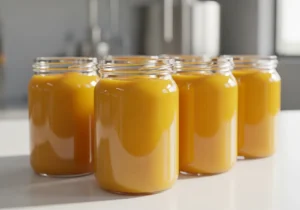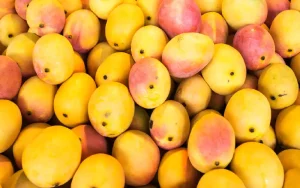
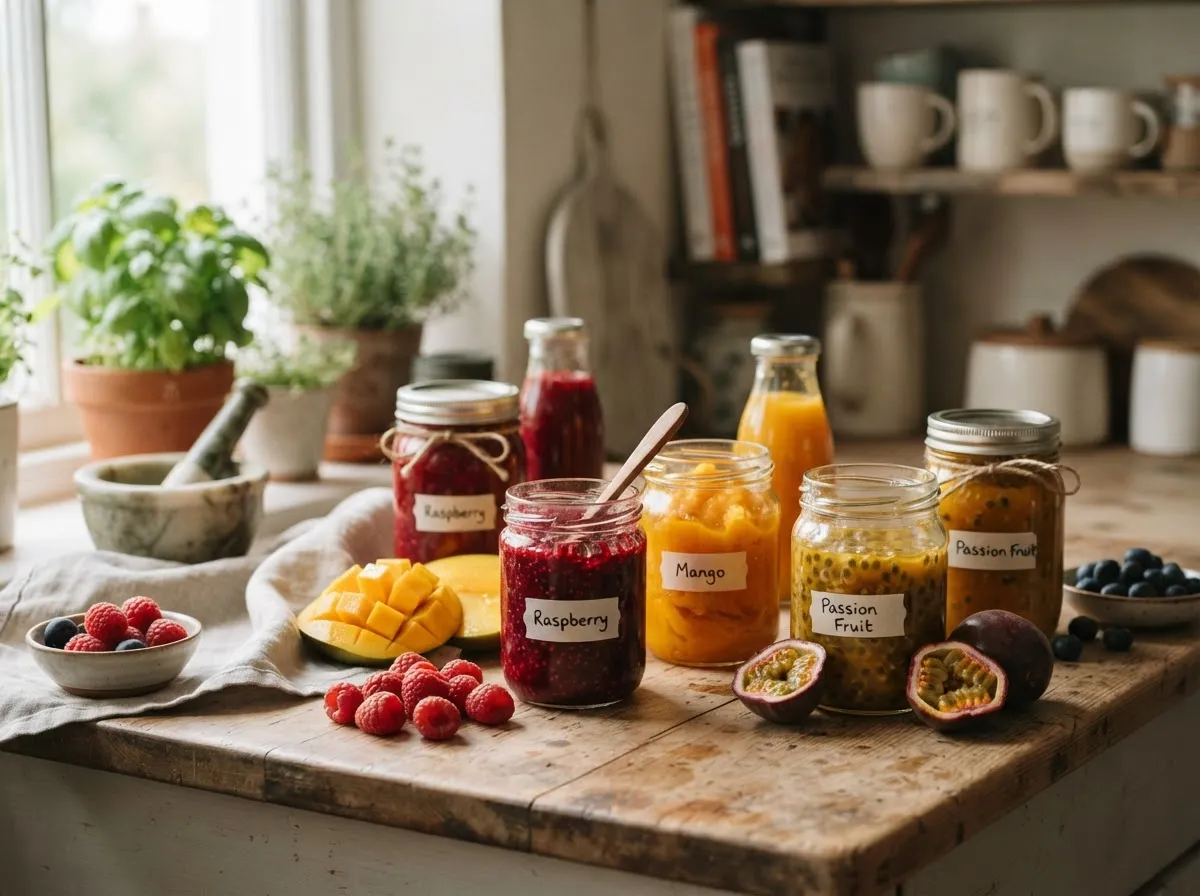

Using fruit puree for drinks lets manufacturers integrate natural flavor, color, and texture directly into each formulation. However, scaling that concept industrially requires control of decisive technical variables. Brix, pH, viscosity, and packaging type determine how the ingredient performs throughout the processing line.
Therefore, at Dream Foods Caribe, we start with clear specifications from the very first sample. Next, you will find a practical guide to evaluate, dose, and purchase it using technical criteria. It supports purchasing, supply chain, research, and development teams.
What is fruit puree for drinks?
It consists of washed, ripe fruit that manufacturers pulp and sieve, then heat-treat and package for industrial use. Because it retains pulp, it preserves much of the original fruit’s color and body. In contrast, juice loses much of that fine fiber during clarification.
It helps to remember that fresh fruit consists mainly of water. Therefore, fruit puree for drinks always requires description through soluble solids, measured in °Brix, and acidity.
This distinction separates a single-strength puree, which retains the fruit’s original water proportion intact, from concentrated puree. The concentrated format evaporates part of the water to optimize formulation yield while reducing freight and storage costs.
What does puree add to a beverage?
A good puree addresses several formulation needs at once. Moreover, it reduces the need for additives that imitate real fruit. Therefore, it contributes the following:
- Flavor. A complete fruit profile, with ripe notes that juice often loses during processing.
- Aromas. Natural fruit characteristics, without artificial reinforcements that reveal the formulation.
- Natural color. Warm, opaque tones that remain stable across most beverage matrices.
- Body. Insoluble solids that provide structure and prevent a watery mouthfeel.
- Texture. A rounder mouthfeel, which proves especially important in nectars and smoothies.
- Fruit identity. Recognizable character during tasting and a clear supporting point on the label.
What beverages can manufacturers make with fruit puree for drinks?
Versatility remains high, so first define the beverage matrix and then select the types of fruits. These applications occur most frequently in processing plants:
- Nectars and fruit beverages. High fruit content, with visible body in the glass.
- Smoothies. Dense blends made with dairy or plant-based beverage bases.
- Ready-to-drink beverages. Consistent flavor from batch to batch across RTD formats.
- Cocktails and mocktails. A fruit base for bars and also for bottled versions.
- Kombucha and fermented beverages. A fruit substrate that supports secondary fermentation.
- Functional beverages. A flavor vehicle used alongside proteins, fibers, or vitamins.
Puree, juice, or concentrate: which option fits?
All three formats come from the same fruit, although each one performs differently on the production line. The decision depends on desired body, logistics costs, and available thermal processing.
No option proves universally superior on its own. In fact, many plants combine formats according to seasonality and portfolio requirements.

Puree versus juice
Puree supplies pulp, so it thickens the beverage and makes its color more opaque. Juice, however, looks cleaner and lighter inside a transparent bottle. Therefore, if you want a crystal-clear beverage, juice works better; if you want body, puree serves that purpose.
On the other hand, fruit perception also changes across the palate. With pulp present, consumers often associate the beverage with natural fruit and higher fruit content.
Puree versus concentrate
Concentrate travels more efficiently because processing removes water. Even so, it requires reconstitution and precise Brix control inside the plant. Meanwhile, single-strength fruit puree for drinks arrives ready for use with a profile closer to fresh fruit.
For that reason, the choice usually answers three simple questions: How much body does the beverage need? What monthly volume does the plant move? What mixing capacity does the facility have?
How do you use fruit puree for drinks in formulation?
The workflow matters more than the recipe itself. Follow this sequence to move from concept to pilot batch without unnecessary setbacks:
- Define the target flavor. Select the fruit, maturity, and reference sensory profile.
- Set the Brix. Adjust soluble solids according to the beverage category.
- Balance acidity and pH. This point controls final product stability.
- Calibrate sweetness. Compensate with sugar or sweetener only when necessary.
- Control viscosity. Define the desired body and mouthfeel for the beverage.
- Check color and particles. Verify appearance inside the actual package.
- Test stability. Evaluate sedimentation and flavor throughout the entire shelf life.
Which technical specifications should you review?
A fruit puree for drinks specification sheet prevents costly surprises inside the plant. Review these points before approving any supplier:
- Brix. Soluble solids and their actual tolerance across production lots.
- pH and acidity. U.S. regulations establish 4.6 as the pH threshold for acidified foods (FDA, 2024).
- Viscosity. Product behavior during pumping, mixing, and filling.
- Color and sensory profile. Agreed visual references and tasting notes.
- Microbiology. Plans that address the required 5-log reduction for juices (FDA, 2024).
- Additives and declaration. A clean ingredient list prepared for the label.
- Shelf life and storage. Actual warehouse, transportation, and port conditions.
How much fruit puree for drinks should you use?
No universal dosing level exists. Inclusion changes according to fruit, beverage category, and desired body, so teams define it during pilot trials. A dense nectar requires considerably more pulp than flavored water. Therefore, every project starts with a sample, technical sheet, and scale trial.
Several factors move that percentage within the formulation. These include:
- Fruit and maturity. Each harvest delivers a slightly different sensory profile.
- Brix and lot acidity. These determine how much sugar or acid the formulation requires.
- Declared fruit content. Label requirements establish the minimum pulp level.
- Beverage type and process. A pasteurized RTD behaves differently from a fermented beverage.
- Target viscosity and sweetness. These establish the practical upper limit for inclusion.
Would you like to validate a fruit puree for drinks dosage before scaling production? Request a sample and technical sheet from our commercial team.
Can you use fruit puree for drinks in carbonated beverages?
Yes, although carbonated applications require more testing than flat beverages. Pulp increases viscosity and tends to settle, so carbonation behaves differently.
Many plants reduce puree levels, partially filter the ingredient, or strengthen their suspension system. Then, they validate flavor, pressure, and appearance throughout the entire shelf life.
Which fruit purees perform best in beverages?
Fruits concentrate aroma and color, so they perform exceptionally well in liquid applications. Among the industry’s most requested options, these five stand out:
- Mango. Rounded sweetness, warm color, and broad acceptance throughout the U.S. market.
- Guava. Intense aroma and substantial body for distinctive nectars.
- Passion fruit. Pronounced acidity that refreshes blends, cocktails, and functional beverages.
- Pineapple. Juicy and versatile profile for ready-to-drink formats.
- Papaya. Mild flavor and silky texture that work well in smoothies and dairy beverages.
In our case, many of these tropical fruits grow near our plant, so they arrive fresh for processing.
Aseptic or frozen: the format also matters
Both formats work well; the real difference lies in logistics and handling. Aseptic packaging stores at room temperature and simplifies operations. Frozen packaging, however, requires continuous cold-chain management until blending.
Before deciding, review warehouse space, monthly consumption, and thawing capacity. Likewise, confirm how each format performs throughout your blending line.
Our single-strength products undergo pasteurization and aseptic packaging. Additionally, we handle 5- and 20-kg bags alongside 220- and 230-kg drums. Thus, each plant can select the fruit puree for drinks format that matches its production volume.
How do you choose a fruit puree for drinks supplier?
The right ingredient paired with an unstable supplier eventually creates rework. Therefore, before signing, put specific questions on the table. These five questions distinguish a reliable partner from an improvised operation:
- What Brix, pH, and acidity ranges apply to each production lot?
- Is the product single-strength or concentrated?
- Does it contain added sugar, preservatives, or other additives?
- Which packaging formats and shelf-life conditions does the supplier offer?
- Can the supplier provide samples, certificates of analysis, and current certifications?
Fruit puree for drinks from Dream Foods Caribe
From the La Cayena Free Trade Zone in Barranquilla, we produce purees, single-strength juices, and concentrated Caribbean fruits. We work with mango and support developments upon request, always using specifications agreed upon in writing.
Our team supports every formulation with technical documentation, samples, and after-sales follow-up. In this way, your purchasing department and laboratory move forward using the same information.
We export from a free trade zone, so international trade documentation and timelines remain organized. Even so, each project receives a quotation according to volume, format, and final destination.
Request your sample or quotation
Tell us your monthly volume, destination country, and intended application. We will send a technical sheet, certificate of analysis, and a tailored fruit puree for drinks proposal.
Contact us through the inquiry form, and let’s move forward with your next product launch!
References
- Food and Drug Administration. (2024). 21 CFR Part 114 — Acidified Foods. eCFR.
- U.S. Department of Agriculture, Agricultural Research Service. (n.d.). FoodData Central: Mangos, raw (FDC ID 169910).