In the food and beverage industry, the quality of raw materials ultimately defines the success of your final product. As a buyer or R&D director, you understand that sourcing goes beyond ingredients; instead, you need a strategic partner ensuring consistency, traceability, and logistical efficiency. For this reason, concentrated pineapple stands as one of the most noble and versatile ingredients; however, purchasing it with incorrect specifications can cost thousands of dollars in reformulations and inefficient freight.
At Dream Foods, we clearly understand that your operation cannot afford interruptions. Therefore, we produce tropical fruit concentrates from the La Cayena Free Trade Zone in Barranquilla, effectively connecting authentic Colombian farmland flavor directly with your production plant anywhere in the world.
Below, we now offer an expert guide to technically validate your purchase and, moreover, discover why we remain the strongest choice to enhance your supply chain. Pineapple puree single strength – https://www.dreamfoodscaribe.com/
What is concentrated pineapple or pineapple concentrate?
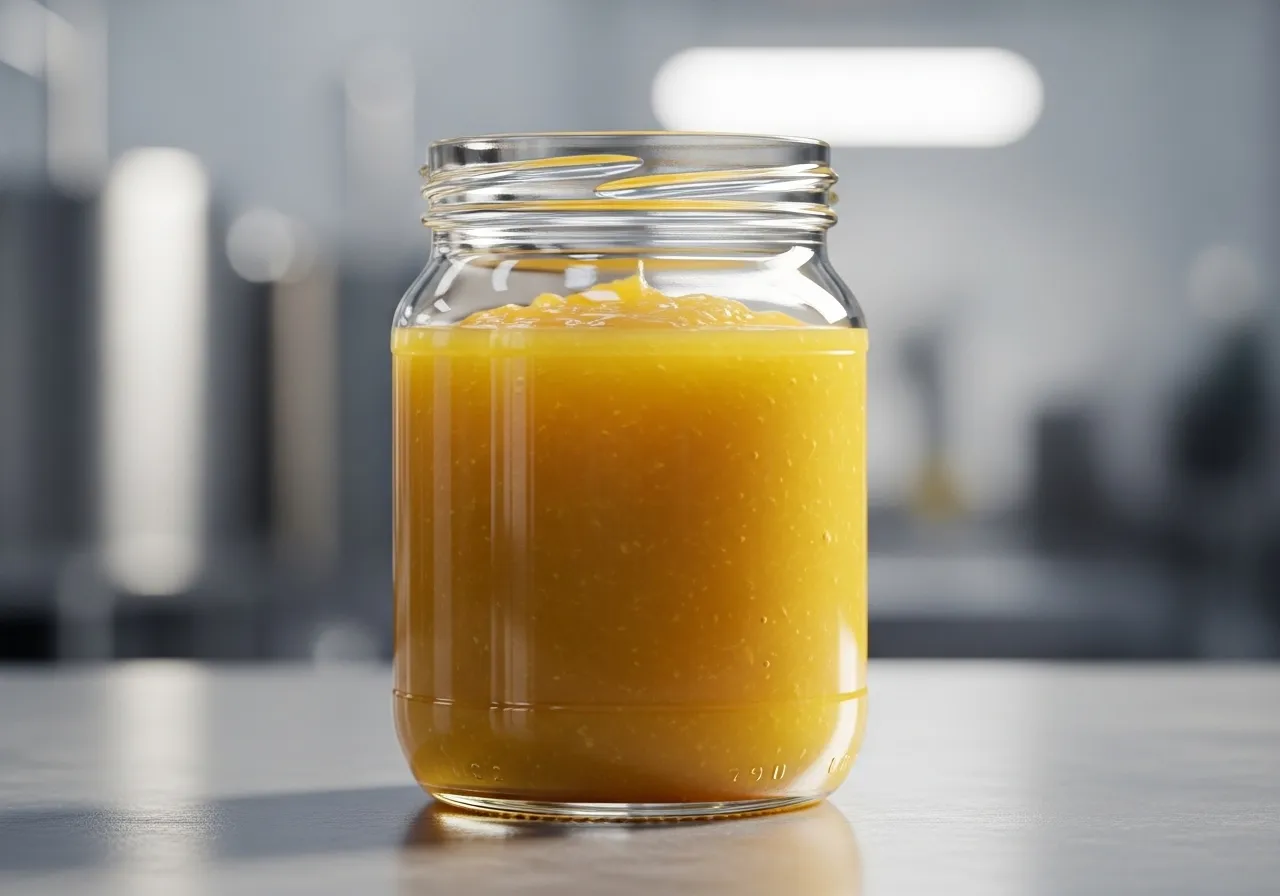
Technically, this product results from a controlled vacuum evaporation process. During this stage, most water is removed from pineapple NFC (pineapple puree single strength) to obtain a dense, stable substance. Through this method, the process not only preserves the fruit’s organoleptic profile but also dramatically optimizes transportation and storage efficiency.
For you, selecting high-quality concentrated pineapple, therefore, means achieving an exceptional yield. When reconstituted, the product restores vibrant flavor and fresh aroma from recently harvested fruit, while simultaneously avoiding hidden costs associated with transporting water.
For this reason, at Dream Foods, we consistently process fruit at its precise ripeness point, ensuring every batch meets the most demanding international market standards.
Concentrated pineapple (industrial): What does 60–65° Brix mean?
In industrial procurement language, Brix degrees function as the true currency. Specifically, a 60–65° Brix standard indicates a high concentration of soluble solids, primarily the fruit’s natural sugars.
But why does this range truly matter for your profitability? Stated, a concentrate at this level maximizes cubic efficiency within your warehouses. As a result, for every liter purchased, you obtain between five and six liters of high-quality reconstituted juice.
At Dream Foods, we guarantee our concentrates remain strictly within this range, delivering a standardized product that never varies between orders; therefore, your formulations stay precise, consistent, and predictable.

Concentrated pineapple for beverages and mixology: key differences
It is essential not to confuse industrial input with cocktail bases or retail mixers. In practice, these products often contain added sugars, artificial acidulants, and stabilizers designed for immediate bar use, ultimately compromising purity.
That distinction, however, defines our proposal. We deliver 100 percent real fruit. Consequently, this approach allows your development team to control sweetness and acidity entirely, enabling clean labels that modern consumers actively value and increasingly demand.
Which option suits your application?
The decision depends on scale and objective. If you manage a bottling plant or ice cream facility, Dream Foods’ 65° Brix concentrated pineapple represents the most financially and technically sound choice. It effectively reduces inventory costs and, at the same time, provides flexibility across multiple product lines.
Conversely, if you operate a foodservice chain seeking flavor standardization across hundreds of locations without complex processes, our aseptic products deliver food safety and operational simplicity, while also eliminating waste from spoiled fresh fruit.
Specifications every buyer must require
Validating the technical data sheet before issuing a purchase order remains the most critical step. A supplier unable to guarantee stable parameters directly risks your brand. Therefore, and without exception, verifying the following specifications becomes essential:
- °Brix. Requiring 60–65° Brix remains non-negotiable for efficiency. Otherwise, lower values mean you are effectively paying freight for water.
- pH and acidity. Maintaining a pH between 3.0 and 4.0 proves essential. In this range, the balance delivers pineapple’s refreshing acidity while also ensuring microbiological stability throughout shelf life.
- Pulp content and color. Likewise, controlling pulp levels between 6 percent and 9 percent adds natural texture without clogging filling nozzles. Additionally, a golden-yellow color certifies careful thermal processing that prevents browning or oxidation.
- Ingredients and claims (100% pineapple, sulfite-free, etc.). Your final label depends on the ingredients. Accordingly, we offer preservative-free concentrates, sulfite-free and 100 percent natural, ideal for Clean Label products dominating premium shelves.
Formats and packaging: how to choose based on volume and operation
Production line efficiency depends not only on raw materials, but also on how they integrate into existing workflows. Therefore, the ideal packaging format must align with receiving infrastructure, storage capacity, and consumption pace to minimize waste and downtime.
Bag-in-box 20 to 25 kg
This format suits pilot productions, high-volume artisans, or industrial kitchens. The aseptic bag protects the product from oxygen once opened, while a manageable weight allows handling without heavy equipment, thereby streamlining smaller or flexible production lines.
Drums 180/250/265 kg and IBC
For major food industry players, metal drums and IBC containers represent the standard. When purchasing these formats from Dream Foods, you optimize container space and consequently reduce cost per kilogram, directly improving final product margins.
Batch labeling and traceability in aseptic packaging
We recognize that food safety allows no margin for error. For that reason, every unit leaving our facility includes a robust traceability system.
Accordingly, we identify batch, production date, and origin, enabling complete supply chain audits and compliance with global standards such as FSMA or HACCP.
Aseptic vs. frozen: a decision guide
Choosing between aseptic and frozen products depends directly on logistical infrastructure and operational cost objectives.
Aseptic filling allows storage of pineapple concentrate at ambient temperature, thereby eliminating fermentation risk without requiring continuous cold chains. Through ultra-fast thermal treatment, pathogens are efficiently eliminated without compromising sensory attributes. For most industrial operations, this option therefore generates significant savings in energy consumption and refrigerated storage costs.
Alternatively, frozen formats remain preferred for formulations demanding extremely subtle flavor notes, particularly when facilities already maintain installed freezing capacity.
Ultimately, while frozen solutions serve ultra-specialty niches, the aseptic concentrated pineapple we offer consolidates as the smartest financial decision. Consequently, it optimizes performance and stability across 90 percent of international market applications.
Applications: how companies use concentrated pineapple
Concentrated pineapple serves as a strategic ingredient whose versatility enhances formulations across multiple sectors:
- Beverages and mixology. An essential base for juices, nectars, and RTD blends. Moreover, integration with pineapple puree enables complex textures and premium profiles.
- Ice cream and bakery. Its natural sugar density functions as an anti-freezing agent, delivering creaminess and intense fruit flavor that withstands low temperatures.
- Functional nutrition. A clean-label alternative for sweetening gels and isotonic beverages, while providing potassium and natural energy without synthetic syrups.
Frequently asked questions about concentrated pineapple
Clarify technical questions and make purchasing decisions with complete information available:
- Is pineapple concentrate the same as pineapple juice? No. Concentrate removes water to reach 65° Brix, thereby increasing efficiency. Single-strength juice retains its natural water.
- Can frozen concentrate be used for cocktails? Yes, it works ideally for slushes and frozen beverages requiring strong flavor without excessive dilution.
- How is pineapple concentrate made at home? Juice is boiled, but this significantly alters and damages flavor. At Dream Foods, instead, we use industrial vacuum evaporation to preserve fresh fruit notes.
Where to buy: USA vs Colombia
Sourcing strategy ultimately defines competitiveness. In many cases, U.S. buyers rely on intermediary brokers who add margins while reducing transparency.
United States: B2B suppliers (industrial) vs. retail
Purchasing from U.S. resellers may suit very low volumes, but it limits origin visibility and adds local storage costs.
Additionally, extended stock times can compromise batch freshness upon delivery.
Colombia: beverage-focused sourcing and local B2B supply
This is where Dream Foods truly transforms the landscape. By purchasing directly from us in Colombia, you access the source. As a result, we eliminate unnecessary intermediaries, delivering competitive pricing and fruit processed at peak harvest.
Our location within Barranquilla’s Free Trade Zone enables agile container dispatch to the East Coast and Gulf regions, thereby reducing transit times. Whether for cocktail bases or industrial concentrated pineapple, we operate as your local partner with global reach.
Do not risk production with unknown suppliers. Secure quality, consistency, and the best tropical flavor for your customers. Request your quote from Dream Foods today
Referencias
- CBI (Ministry of Foreign Affairs of the Netherlands). (2023). The European market potential for pineapple juice.
- Fortune Business Insights. (2024). Fruit Concentrate Market Size, Share & COVID-19 Impact Analysis.